
There was a time when a film’s success lived and died by its trailer. A perfectly cut two-minute preview, a striking poster, a press junket tour that felt just out of reach. Marketing was something audiences consumed at a distance. Today, that distance has collapsed entirely.
Welcome to the new era of movie marketing, where films are no longer promoted, they are lived.
Cinema has always shaped culture, but what we are witnessing now is something far more immersive. Studios are no longer simply telling stories on screen. They are building ecosystems around them, inviting audiences to participate, purchase, wear and embody the narrative long before the opening credits roll.
Take Wicked, one of the most anticipated musical adaptations in recent years. Rather than relying solely on nostalgia or star power, Universal has orchestrated a campaign that feels closer to a cultural takeover. The world of Oz has spilled far beyond the screen into beauty aisles, fashion collections and everyday consumer products. The signature contrast of Elphaba’s green and Glinda’s pink has become instantly recognisable, not just as a visual motif, but as a lifestyle cue.
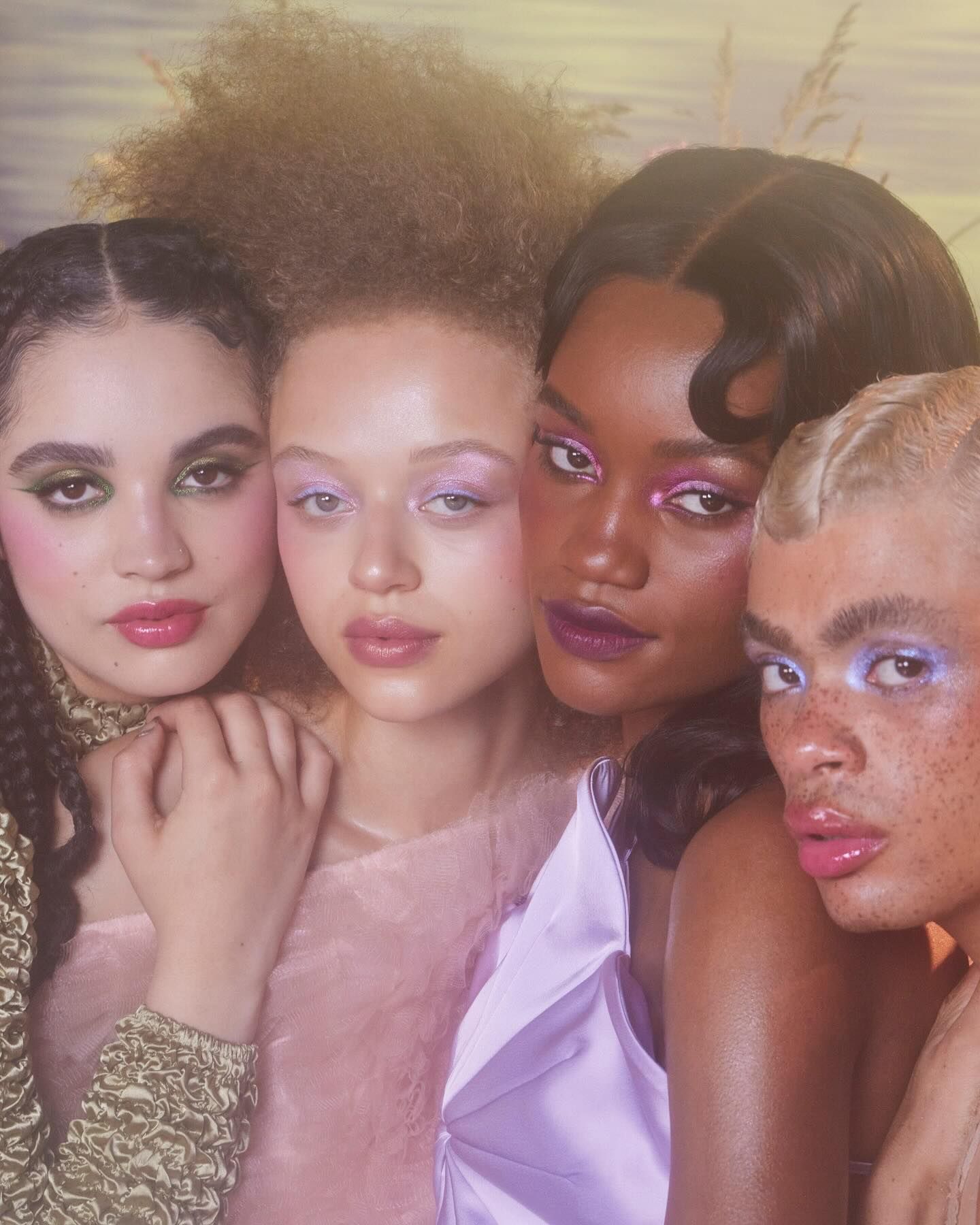
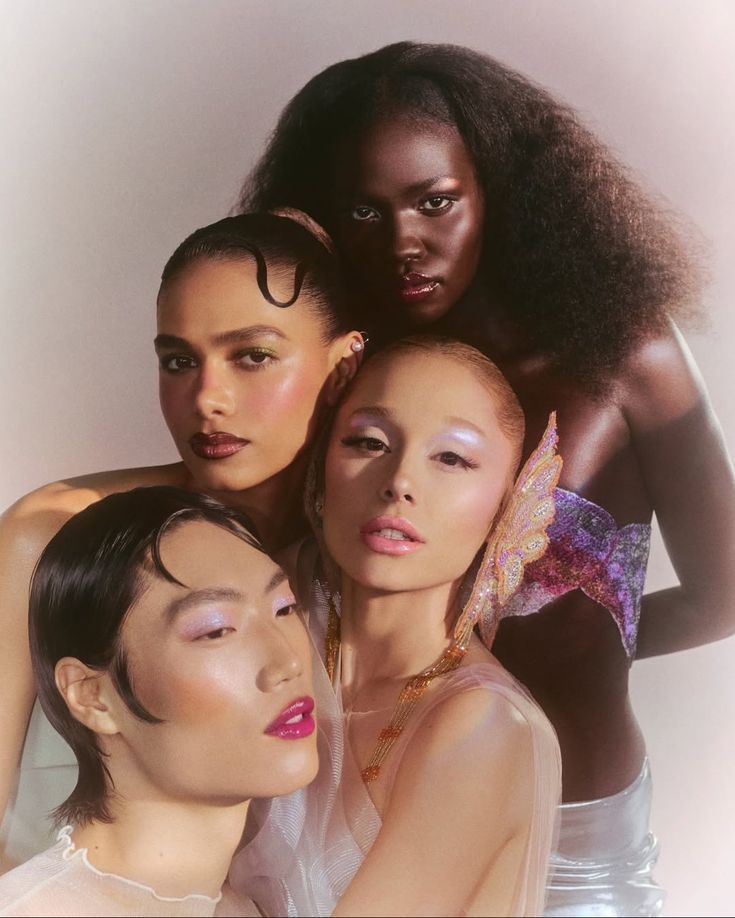
At the centre of this strategy is a sharp understanding of influence. Ariana Grande, who stars as Glinda, extended the film’s universe into her own brand, R.E.M. Beauty, through limited edition product drops inspired by the character. It is not just a collaboration, it is a convergence of identity. Fans are no longer passively engaging with the film, they are quite literally wearing it. This is where marketing shifts into participation, where fandom becomes commerce, and where the line between audience and consumer dissolves.brand culturally relevant without ever feeling forced.
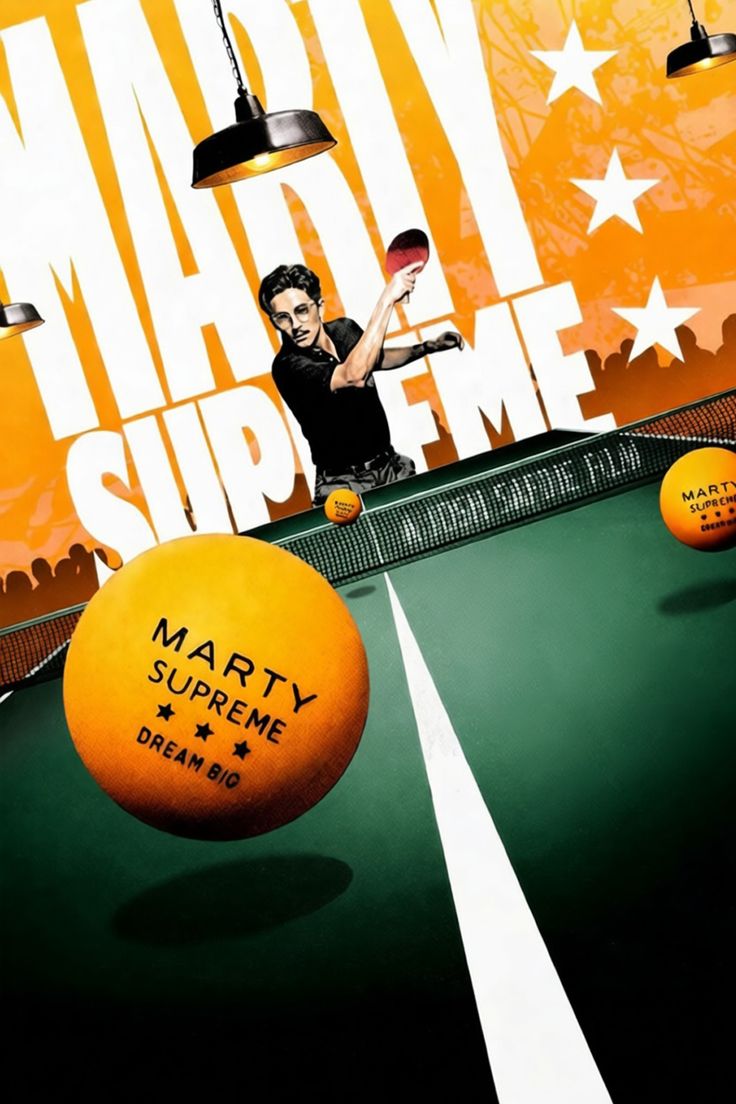
Then there is A24, a studio that has built its reputation on understanding cultural nuance better than most. With projects like the upcoming Marty Supreme, starring Timothée Chalamet, the strategy begins long before the film’s release. Rather than waiting for a traditional campaign cycle, A24 seeds intrigue through tangible, real world artefacts. Limited edition merchandise, from nostalgic cereal box collaborations to highly wearable street pieces, appears without heavy explanation. It feels organic, almost accidental, yet deeply intentional.
This approach does something powerful. It embeds the film into everyday life before audiences even know the full story. It creates curiosity, conversation and most importantly, cultural proximity. The film is no longer something you plan to see. It is something you are already encountering.
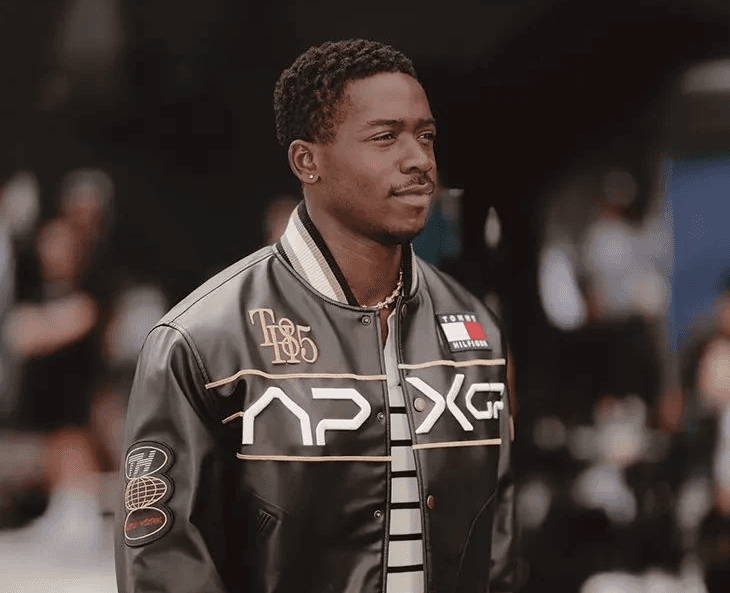
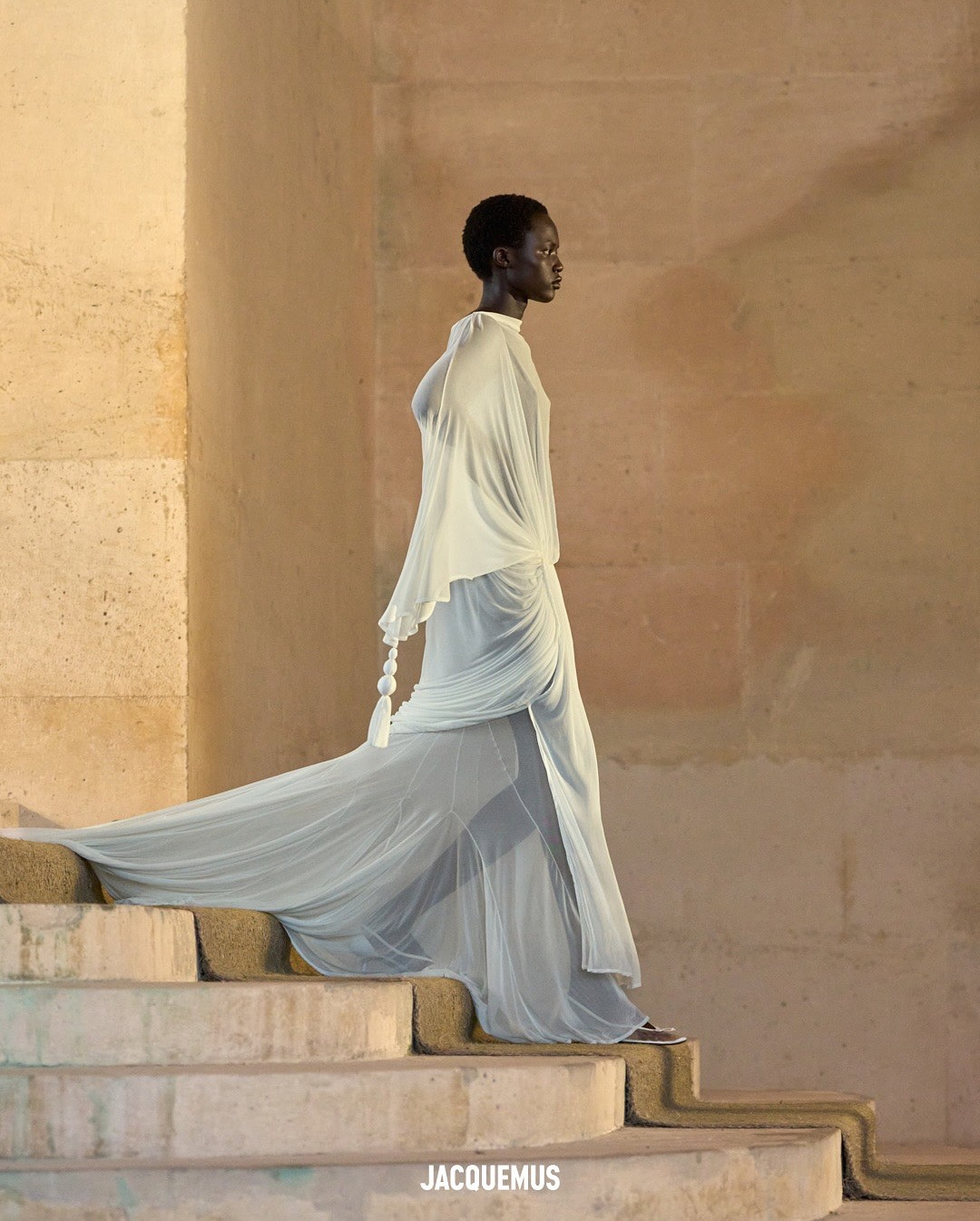
Even heritage narratives are being reimagined through this lens. A new adaptation of Wuthering Heights is reportedly leaning into fashion as a primary storytelling vehicle, with partnerships and capsule collections that translate its romantic, windswept aesthetic into modern wardrobes. The moody textures, the layered silhouettes, the emotional depth of the story become something you can physically step into. It is storytelling through styling, narrative through fabric.
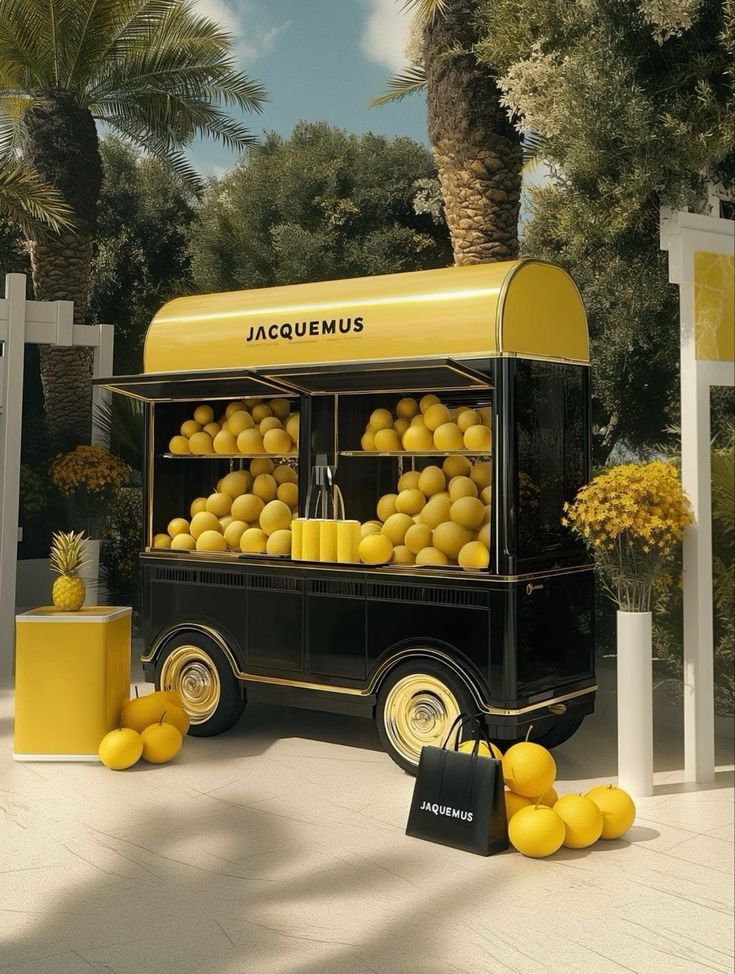
What ties all of these examples together is a fundamental shift in philosophy. Films are no longer being marketed as isolated pieces of entertainment. They are positioned as cultural moments that extend across industries. Beauty, fashion, food, retail and digital spaces all become touchpoints in a much larger narrative.
This is not just about visibility. It is about integration.
Modern audiences do not want to be sold to. They want to feel part of something. They want to discover, collect, share and express. The most successful campaigns today understand that attention is no longer captured through interruption, but through invitation. It is about creating a world so compelling that people choose to step into it on their own terms.
In many ways, the role of the marketer has begun to resemble that of a world builder. It is no longer enough to communicate what a film is about. The task now is to design how it lives beyond the screen. To ask not just how people will watch it, but how they will experience it in their daily lives.
Because in this new era, a film does not begin at the cinema. It begins the moment it enters culture.
And once it does, it belongs to everyone.
Read more