
What Bad Bunny’s halftime show teaches us about culture, memory and the art of belonging
On 9 February 2026, Bad Bunny stepped onto the Super Bowl Halftime stage and did something that felt quietly radical. He did not attempt to be bigger, louder or more spectacular than the moment demanded. Instead, he slowed it down. He made it personal. He resisted the pressure to perform for everyone and chose, quite deliberately, to perform for home.
For thirteen minutes, the most commercial stage in America stopped feeling like a broadcast and started feeling like memory. What unfolded was not a medley of hits or a carefully engineered crossover moment. It was a narrative. It was cultural storytelling at scale. And it was a reminder that the most powerful performances are not the ones that try to impress you, but the ones that make you feel like you belong.
At Kwento, this is the work we care about most. Not content for the sake of visibility. Story for the sake of connection.
Building a World, Not a Performance
Most halftime shows are built like spectacles. They rely on chrome, fireworks, technology and speed. The intention is to overwhelm.
Bad Bunny did the opposite. He built a place.
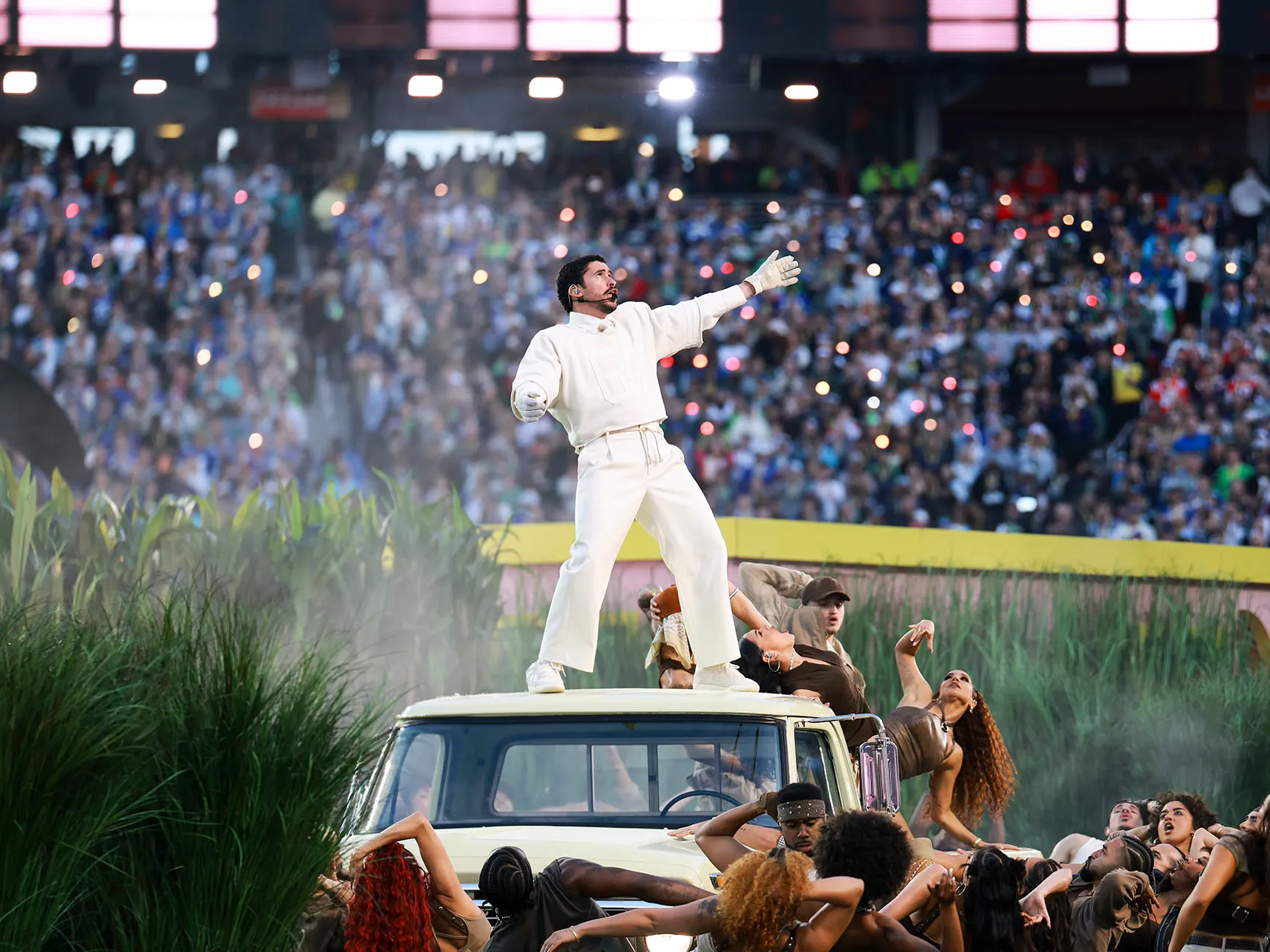
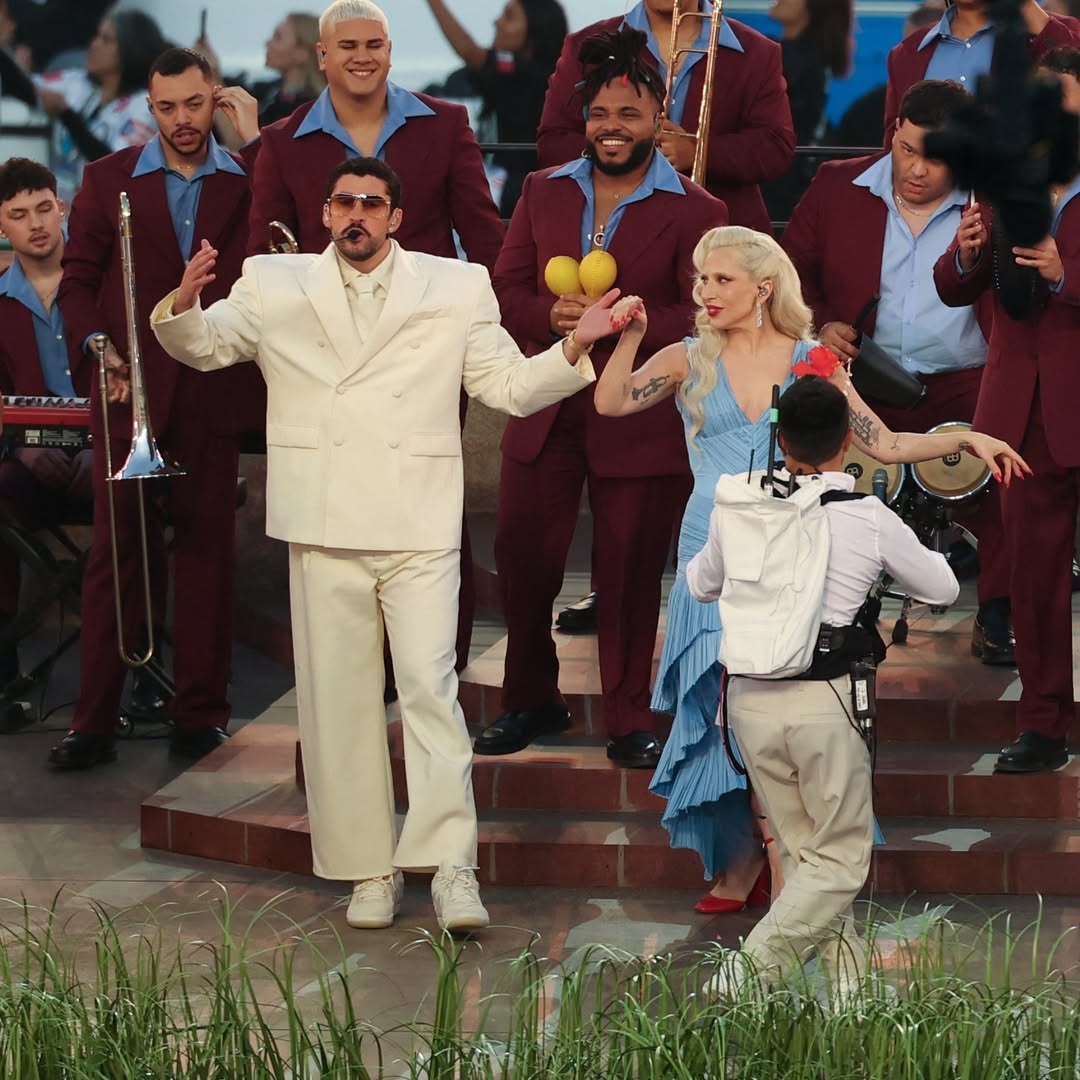
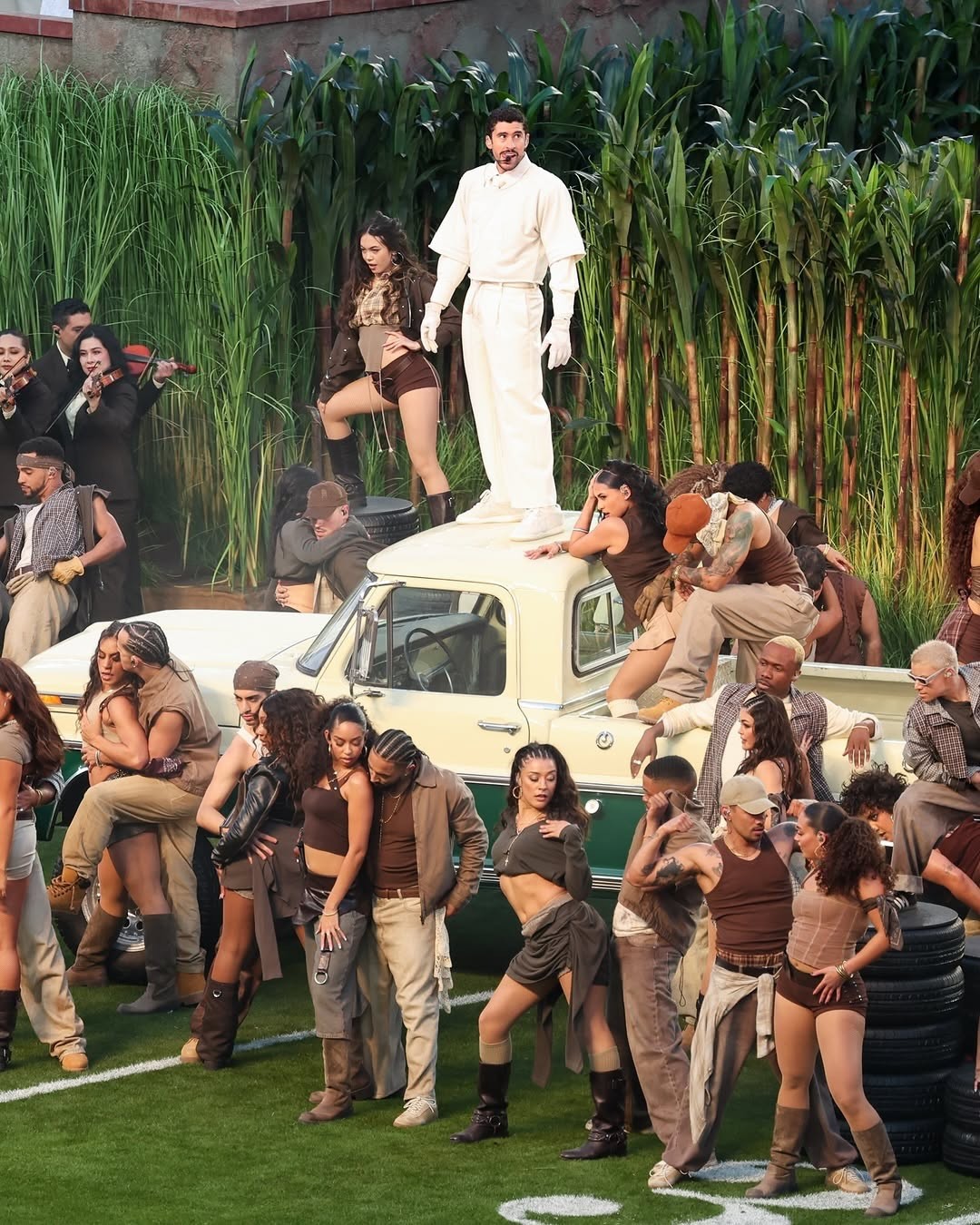
A small casita sat at the centre of the field. There were domino tables, street vendors, elders lingering like they had wandered out from a neighbourhood gathering. Dancers in traditional pava hats moved across the grass with an ease that felt lived in rather than rehearsed. The set did not resemble a stage. It resembled a childhood.
It felt less like the Super Bowl and more like a Sunday afternoon in Puerto Rico.
This choice changed everything. Instead of presenting himself as a superstar descending from the heavens, he positioned himself as a son returning home. The audience was not asked to watch greatness from afar. They were invited inside a world that already existed.
Great storytelling does exactly this. It does not say look at me. It says come in.
By reconstructing his streets, his people and his everyday textures on the field, he transformed a stadium into something intimate. The scale remained massive, but the feeling became small and human. It was not a performance to consume. It was an environment to step into.
Authenticity as the Ultimate Luxury
In fashion and culture, the most compelling work rarely tries to please everyone. It is rooted in a point of view so specific it becomes undeniable. There is confidence in that specificity. A refusal to explain yourself.
The entire show was performed in Spanish. No translations. No softening. No English hooks added for comfort.
And still, the crowd moved together.
People sang along to words they did not fully understand. They danced anyway. They felt it anyway. Because emotion does not require subtitles. It requires truth.
There is something deeply luxurious about that kind of certainty. Not the luxury of excess, but the luxury of self possession. Knowing exactly who you are and refusing to dilute it.
Bad Bunny did not chase global appeal. He stayed hyper local. Hyper Puerto Rican. Hyper personal. Ironically, that is what made the performance universal.
This is something many brands misunderstand. Neutrality does not scale. Authenticity does. The more you sand off the edges of your identity, the more forgettable you become. The more honest you are, the more magnetic you feel.
Specificity is what people remember.
Culture Without Compromise
Throughout the show, culture was not treated like styling. It was treated like substance.
The bomba and plena rhythms were not aesthetic flourishes. They carried history. The jíbaro hats referenced working class pride. The elders on stage felt like guardians of memory rather than background props. Even the smallest details, from the street vendors to the house party atmosphere, felt deliberate and lived in.
Nothing existed simply to look good. Everything meant something.
There is a clear difference between borrowing culture and belonging to it. Borrowed culture looks like a mood board. Lived culture has texture. It has weight. It feels effortless because it is real.
You could feel that difference in every frame.
When artists and brands use culture superficially, audiences sense the distance immediately. But when culture is embodied rather than referenced, there is an emotional credibility that cannot be manufactured.
Bad Bunny did not decorate the stage with Puerto Rican symbols. He rebuilt Puerto Rico itself.
That distinction is what made the performance resonate far beyond the night.
Community at the Centre
What made the show especially moving was that it never felt like a solo act.
Yes, this was Bad Bunny’s stage, but the story was never only about him.
It was about the elders. The dancers. The neighbourhood energy. The diaspora. The flags unfurling across the field. The sense that an entire community had stepped onto that platform together.
It read like a love letter to everyone who has ever grown up between languages or cultures. To first generation kids. To immigrant families. To people who carry their homeland in their kitchens, their music and their memories.
There was something powerful about watching that story take up space without apology. Not asking for permission. Not translating itself to be more acceptable. Simply existing, fully, in front of the world.
Belonging was not framed as something to earn. It was treated as something inherent.
By centring community rather than celebrity, the performance shifted from entertainment into something more intimate. It felt like being invited to someone’s home and told to stay for dinner. Less spectacle, more hospitality.
And hospitality is one of the purest forms of storytelling there is.
What This Teaches Us About Story
Days later, what lingers is not the choreography or the exact order of songs. It is the feeling.
Warmth. Pride. Familiarity. Joy.
That is the mark of story over spectacle.
At Kwento, we often say that content fills space, but story holds memory. This halftime show held memory. It proved that you can command the biggest stage in the world without abandoning who you are. In fact, it suggested the opposite. The deeper you root yourself in truth, the further your story travels.
For brands and creatives, the lesson is simple and timeless. Do not chase what you think the world wants to see. Show the world who you really are. Your streets. Your people. Your language. Your point of view.
When you build a world that is honest, people lean in naturally. When people feel something, they remember. And when they remember, they stay.
Bad Bunny did not just perform that night. He told a story about home, identity and belonging. The rest of us simply got lucky enough to witness it.
That is the kind of work we believe in.
That is the kind of story we want to help brands tell.
Read more